ERP Consulting · Selection

How do you select the right ERP system for your business?

 ERP selection is the process of identifying and choosing an ERP system that fits your processes, strategy and long-term goals. Dreher Consulting runs it independently — structured evaluation, decades of cross-industry experience, no vendor bias — to reduce risk and avoid the wrong system. 
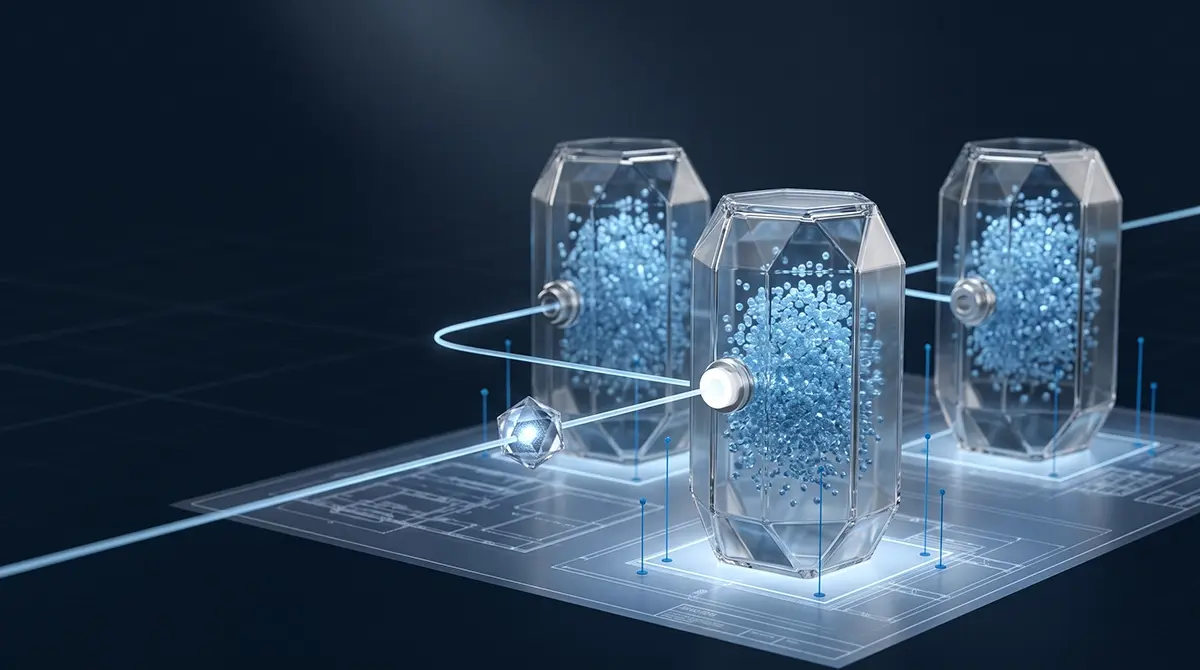
≈ 500 ERP systems One that fits Shortlist PoC ≈ 500 systems → shortlist → proof of concept → the one that fits. Risk reduced.
Structured evaluationPoC on your dataWeighted scoringVendor-neutral
The answer, first

What are the key steps in a
successful ERP selection?

A successful ERP selection starts with a clear understanding of business processes, requirements and future needs — not with a vendor shortlist. We translate your business objectives into a structured requirements specification, then evaluate suitable ERP vendors objectively — including RFP support and the validation of vendor claims.

From our experience, the wrong-fit risk is not created in the demo. It is created earlier, when requirements are written in vendor language rather than in the language of your own processes. A structured selection also lays the groundwork for the implementation that follows — the documents it produces outlast the project.

Discuss your specification
Decision summary

Does this fit your situation?

A quick read before you spend a meeting on it. If most of this matches your situation, an independent specification is worth scoping — if it doesn't, we will say so.

When this fits

An ERP decision ahead — and a defensible path to it

  • You are about to choose an ERP system — replacement or first-time

  • You need a vendor-neutral evaluation, free of referral interests

  • Requirements are not yet structured across the business units

  • Management wants a decision that can be defended later
What we need from you

Your process owners, your data, and decision authority

  • Access to the process owners who know how each area actually runs

  • Your requirements — or the time to structure them with us — as the basis for scoring

  • A decision-maker with authority over the criteria weighting and the final call

  • Strategic guidelines: growth plans, channels and the constraints the system must fit 

Why this approach is different

A vendor demo — or a decision you can defend?

A typical ERP selection
The Dreher approach
Starting point
A feature wish-list / vendor long-list
Your processes and requirements, structured first
Who runs the demos
The vendor, on their data
Proof of Concept on your master data and processes
Independence
Influenced by referral fees / rankings
Vendor-neutral — no software revenue, no referral fees
Evaluation
Gut feel from presentations
Weighted scoring, documented, traceable at every step
People
IT chooses, users adapt later
Users involved from the first phase — acceptance built in
Our take

Risk minimisation is not a stage of the model. It is the model.

The five stages involve your people from the first phase, test the shortlisted systems on your own master data in a Proof of Concept, and document every decision along the way. That is what shortens the implementation that follows — and removes the acceptance problems that stall ERP projects after go-live. 

How we work

Our ERP selection runs in five stages.

A step-ladder model refined across 1,200+ projects: each stage produces a document the next depends on, so the decision is traceable at every point. 

Stage 01

Situation analysis

Current and future processes captured, a GAP analysis against best practice, and the first selection criteria.

Weeks 1–4
Stage 02

Requirements

Business requirements documented in a tender-ready ERP specification — the basis for a fair comparison.

Months 1–3
Stage 03

Solution identification

Longlist and shortlist drawn from a database of almost every ERP system on the market, with documented exclusion reasons.

Months 2–4
Stage 04

Vendor qualification

Structured Proof of Concept on your master data and processes — every step scored and documented.

Months 3–6
Stage 05

Contract & handover

Licences, running costs and service levels reviewed line by line, then support to acceptance.

Months 5–9
From our project work

A quality gate before the shortlist —
and a decision that held up.


Global apparel retailer · Retail & Distribution

A quality gate before the shortlist: independent evaluation for a global apparel retailer — vendor claims validated before any demo was booked.

ProblemA grown ERP landscape at the end of its lifecycle and a selection with high stakes across purchasing, logistics and finance — where vendor claims could not be taken at face value.

EngagementA structured quality gate before the shortlist: requirements weighted with the business units, vendor claims validated against them, and a Proof of Concept on the retailer’s own master data — every step scored and documented.

1

process model — today’s and tomorrow’s business in one document

0

fees from software vendors — no referral, no commission

1,200+

projects of pattern recognition behind the method · since 1992

Read the full case study
Setting Seasonal collections · wholesale & retail
I thoroughly enjoyed working with you. It was extremely refreshing to be accompanied by your expertise and high level of professionalism during the initial stages of the project.”
Nadine Krank · Head of Department, VEBEG GmbH
Common questions

What managing directors ask before engaging Dreher.

Honest answers about independence, PoCs, timelines and deployment choice — the questions that come up in nearly every first conversation about an ERP selection. 

Answers by

Dr. Harald Dreher

Founder · Dreher Consulting

Since 1992 he has guided Mittelstand companies through replacing in-house-built ERP systems. He advises vendor-neutrally, taking no commission from any software vendor.

1. How many ERP systems are there — and how do you narrow them down?

Around 500 ERP systems are on the market, and there is no true “standard”. We narrow them from a database in which almost every system is recorded: first against fundamental parameters such as technology base and deployment model, then against your weighted requirements. The result is a longlist, then a scored shortlist with documented exclusion reasons — not a gut-feel vendor set.

2. Why engage an independent consultant when vendors will demo for free?

Because a vendor demo is a sales instrument: run by the vendor, on the vendor’s data, showing the strengths it chooses to show. We take no software revenue and no referral fees, so the evaluation runs on your processes and your master data — and the recommendation is pegged to your outcome, not a vendor’s roadmap. 

3. What is a Proof of Concept — and why must it run on our data?

A Proof of Concept has each shortlisted system demonstrate your processes on your own master data, against pass/fail criteria agreed in writing before it starts. On the vendor’s demo data every system looks capable; on your data, the gaps in variants, interfaces and master-data structures surface before the contract is signed — not in the implementation. 

4. How long does an ERP selection take?

From our experience, three to nine months for a Mittelstand selection, depending on company size, process complexity and the number of business units involved. We commit to phase-by-phase timelines after the situation analysis — and each stage ends in a documented decision, so the project stays traceable rather than trading speed for defensibility. 

5. Cloud, on-premise or hybrid — how do you decide?

Not by trend, but by requirements. Data sovereignty, the integration landscape, internal IT capacity, running costs and industry-specific regulation weigh differently in every company. We weigh these parameters with you in the solution-identification stage and document the trade-offs — the deployment model is a consequence of your requirements, not a starting point. 

Start the conversation

Three ways to begin. No wrong door.

High commitment

45-minute independent strategy call

The full first conversation. Includes an initial SCOReX® assessment of your ERP situation.

Book the call
Medium commitment

15-minute orientation call

Not ready for the full conversation? A short call to clarify whether we're the right advisors for you.

Book a short call
Low commitment

Prefer to email?

Send us a short note about where you are — we'll reply with a clear next step, not a sales pitch.

Email us