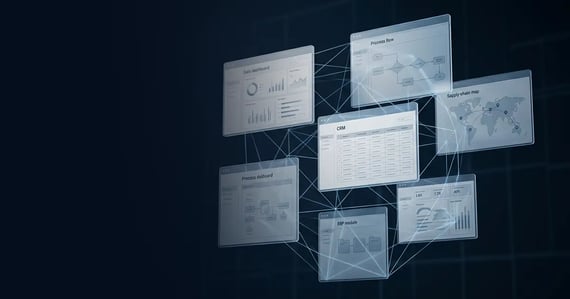
Master Data Fundamentals: ERP Systems, Master Data and New Challenges
Digitalisation is accelerating business processes in unprecedented ways. While technology simplifies many aspects of daily work, it also increases complexity, data volume and the pressure on organisations to manage information effectively.
This article summarises the key insights from Dr. Harald Dreher’s publication on the role of master data within ERP systems, the pitfalls companies commonly face, and the new challenges driven by rapidly evolving technologies.
Why Master Data Matters More Than Ever
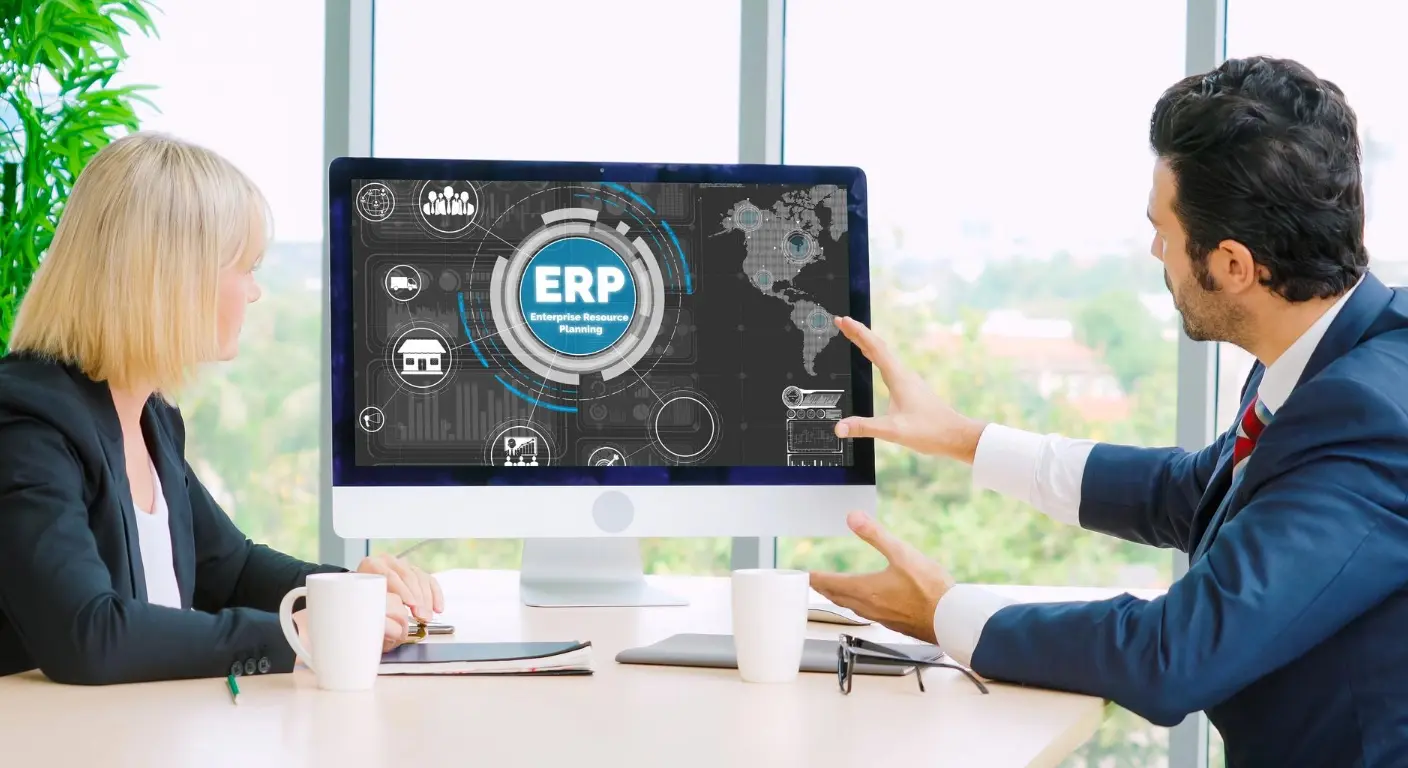
An ERP system can only be as good as the quality of its master data. Poorly maintained master data—duplicates, outdated information, missing attributes—rarely causes immediate failures. Instead, it slowly erodes operational efficiency and trust:
-
coordination processes take longer
-
employees develop workarounds
-
incorrect assumptions fill data gaps
-
decision quality decreases
The creeping deterioration of data quality often goes unnoticed until it creates bottlenecks and costly errors.
As digitalisation accelerates, this long-standing issue becomes more critical. Data volumes are increasing rapidly, and expectations for accuracy and completeness grow in parallel.
How Digitalisation Increases the Pressure on Master Data
Across industries, customers expect more customised products delivered in smaller quantities and with faster turnaround. This drives:
According to the document, even technologies like 3D printing enable economical production of individual parts and “batch size 1” manufacturing (page 5). This massively increases the number of items that must be represented in the ERP system.
Parallel to this growth, digital transformation raises the benchmark for data quality:
-
automation relies on precise, structured data
-
machine learning requires large volumes of historical, accurate information to train reliable models
-
product life cycles are shorter, making data outdated faster
-
frequent master data updates become necessary simply to remain operational
In some industries, a large proportion of master data becomes outdated within two years.
Machine Learning, IoT and Digital Twins: Why Quality Matters
The document gives several examples of technologies that depend on strong master data foundations:
-
Machine learning for invoice matching or product image recognition requires high-quality historical data to detect useful patterns.
-
Machine-to-machine communication (M2M) relies on structured data to avoid bottlenecks and automatically resolve issues.
-
The Internet of Things (IoT) dramatically increases the number of data points captured by sensors (e.g., cold-chain monitoring, aircraft engines, lift systems).
-
Digital twins add another layer of information linking physical objects to their digital representations, multiplying data volume and complexity.
As these technologies expand, both master data and related transactional data grow exponentially, increasing the workload and the risk of errors.
Globalisation Expands Data Complexity
Global value chains introduce country-specific differences that must be reflected in master data:
This significantly increases maintenance effort and amplifies the risk of inconsistencies across systems.
Cloud Computing and Multi-System Architectures Multiply the Challenge
Many companies now combine on-premise ERP systems with cloud-based applications or multiple cloud solutions. This requires:
The document highlights that when master data is incomplete, incorrect or duplicated, the integration of ERP, add-ons and cloud applications spreads errors even faster across the organisation (page 7).
This leads to:
-
delays caused by cleansing and correction
-
decisions based on incorrect data
-
increased project and operational costs
Summary and Outlook
The publication concludes with a clear message:
Digitalisation increases both the quantity and importance of master data.
To remain competitive, companies must:
-
maintain high data quality standards
-
modernise data governance practices
-
automate wherever possible
-
continuously update master data to keep pace with product and market changes
This is essential not only to support automation and production processes but also to prepare for future technologies that depend on accurate, reliable data.

/Herr_Dreher_500x500.jpg)


 Download Article as PDF